Buy kleintierpraxis.eu ?
We are moving the project
kleintierpraxis.eu .
Are you interested in purchasing the domain
kleintierpraxis.eu ?
domain@kv-gmbh.de · 0541-91531010
Buy kleintierpraxis.eu ?
Which tenses exist in Swiss German that only have two tenses?
In Swiss German, there are two tenses that only have two forms: the present tense and the past tense. The present tense is used to talk about actions happening in the present, while the past tense is used to talk about actions that have already happened. Unlike in Standard German, there is no distinction between the simple past and the present perfect tense in Swiss German. **
Which tenses are related?
The tenses that are related in English are the simple present, simple past, and simple future tenses. These tenses are the basic forms of verb conjugation and are used to express actions or states that occur in the present, past, or future respectively. They are often used as building blocks for more complex tenses and can be combined with auxiliary verbs to convey different shades of meaning. Understanding the relationship between these tenses is essential for mastering English grammar. **


Similar search terms for Tenses
Top-Angebote
Products related to Tenses:
-
Uplift Picks Disposable Butterfly Blood Collection Needles Double Wing Veterinary Needles For Pet Animal Care black (50 Pcs)Support safer and more efficient veterinary procedures with these professionalgrade veterinary blood collection needles designed for cats, dogs, and small animals. Featuring a double wing butterfly design, these disposable needles help provide...105,00 $*Shipping: 0,00 $Secure redirect to the provider
-
Inspire Curations Veterinary Butterfly Blood Collection Needles For Pet Care & Animal Clinics 100pcs Black 22gSupport safer and more efficient sample collection with these professional pet blood collection needles designed for veterinary use and animal care environments. Featuring a doublewing butterfly design, these sterile needles help provide better...140,50 $*Shipping: 0,00 $Secure redirect to the provider
-
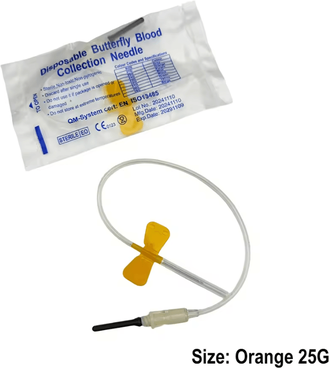
Inspire Curations Veterinary Butterfly Blood Collection Needles For Pet Care & Animal Clinics 50pcs Orange 25gSupport safer and more efficient sample collection with these professional pet blood collection needles designed for veterinary use and animal care environments. Featuring a doublewing butterfly design, these sterile needles help provide better...120,50 $*Shipping: 0,00 $Secure redirect to the provider
-
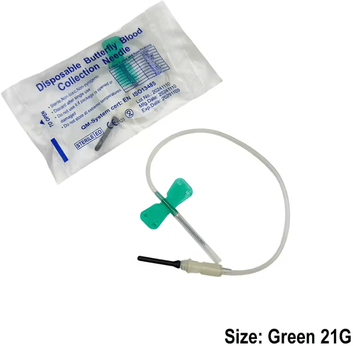
Inspire Curations Veterinary Butterfly Blood Collection Needles For Pet Care & Animal Clinics 100pcs Green 21gSupport safer and more efficient sample collection with these professional pet blood collection needles designed for veterinary use and animal care environments. Featuring a doublewing butterfly design, these sterile needles help provide better...140,50 $*Shipping: 0,00 $Secure redirect to the provider



-
Which tenses are there in Swiss German that only have two tenses?
In Swiss German, there are two tenses that only have two forms: present and past. The present tense is used to describe actions happening in the present moment, while the past tense is used to talk about actions that have already occurred. These two tenses are commonly used in everyday conversations in Swiss German. **
-
Which tenses are there in Swiss German that have only two tenses?
In Swiss German, there are two tenses that have only two forms: the present tense and the past tense. The present tense is used to describe actions happening in the present moment, while the past tense is used to talk about actions that have already happened. Unlike Standard German, Swiss German does not have a separate future tense, so speakers use the present tense or auxiliary verbs to indicate future actions. **
-
Which tenses exist in Swiss German where there are only two tenses?
In Swiss German, the two tenses that exist are the present tense and the past tense. The present tense is used to describe actions that are currently happening or habitual actions, while the past tense is used to talk about actions that have already occurred. Swiss German does not have a separate future tense, as the present tense can also be used to express future actions. **
-
What are the English tenses?
The English language has 12 tenses, which are divided into three main categories: past, present, and future. Each category has four tenses: simple, continuous, perfect, and perfect continuous. The simple tenses refer to actions that are completed at a specific time, the continuous tenses refer to actions that are ongoing or in progress, the perfect tenses refer to actions that are completed before a specific time, and the perfect continuous tenses refer to actions that started in the past and are still ongoing. Understanding these tenses is essential for effective communication in English. **

What are the French tenses?
The French language has several tenses, including the present, past, and future tenses. The present tense is used to talk about actions happening in the present or habitual actions. The past tense is used to talk about completed actions in the past, and it has several forms such as the passé composé and the imparfait. The future tense is used to talk about actions that will happen in the future. Additionally, French has other tenses such as the conditional and the subjunctive, which are used to express hypothetical or uncertain actions. **
How can one recognize tenses?
One can recognize tenses by looking at the verb in a sentence and identifying the time frame in which the action is taking place. For example, if the verb ends in "-ed" it is likely in the past tense, while if it ends in "-ing" it is likely in the present continuous tense. Additionally, the use of helping verbs such as "will" or "has" can indicate future or present perfect tenses, respectively. Understanding the context of the sentence and the time frame being referred to can also help in recognizing tenses. **
Top-Angebote
Products related to Tenses:
-
Aerosoft Sophia's Animal Clinic: Mission Wildlife Park - Veterinary Simulation - PlayStation 4 (Disc)Step into the role of a wildlife vet in Sophia's Animal Clinic: Mission Wildlife Park for PlayStation 4. Explore a nature park and help care for a variety of animals, including deer, foxes, horses, rabbits, and other wildlife. Examine symptoms, identify illnesses, and use veterinary tools to provide treatment. Each animal has different needs, so careful observation and patient care are essential as you work to support their recovery. Key features include: - Explore a wildlife park setting. - Care for multiple animal species. - Investigate symptoms and diagnose conditions. - Use veterinary equipment during treatments. - Learn animal facts and discover more than 30 illnesses and treatments. This physical PlayStation 4 edition is supplied on disc and offers an accessible veterinary simulation for players who enjoy animals, exploration, and gentle problem-solving.24,99 £*Shipping: 3,95 £Secure redirect to the provider
-
Inspire Curations Veterinary Butterfly Blood Collection Needles For Pet Care & Animal Clinics 100pcs Orange 25gSupport safer and more efficient sample collection with these professional pet blood collection needles designed for veterinary use and animal care environments. Featuring a doublewing butterfly design, these sterile needles help provide better...140,50 $*Shipping: 0,00 $Secure redirect to the provider
-
Uplift Picks Disposable Butterfly Blood Collection Needles Double Wing Veterinary Needles For Pet Animal Care black (50 Pcs)Support safer and more efficient veterinary procedures with these professionalgrade veterinary blood collection needles designed for cats, dogs, and small animals. Featuring a double wing butterfly design, these disposable needles help provide...105,00 $*Shipping: 0,00 $Secure redirect to the provider
-
Inspire Curations Veterinary Butterfly Blood Collection Needles For Pet Care & Animal Clinics 100pcs Black 22gSupport safer and more efficient sample collection with these professional pet blood collection needles designed for veterinary use and animal care environments. Featuring a doublewing butterfly design, these sterile needles help provide better...140,50 $*Shipping: 0,00 $Secure redirect to the provider
-
Which tenses exist in Swiss German that only have two tenses?
In Swiss German, there are two tenses that only have two forms: the present tense and the past tense. The present tense is used to talk about actions happening in the present, while the past tense is used to talk about actions that have already happened. Unlike in Standard German, there is no distinction between the simple past and the present perfect tense in Swiss German. **
-
Which tenses are related?
The tenses that are related in English are the simple present, simple past, and simple future tenses. These tenses are the basic forms of verb conjugation and are used to express actions or states that occur in the present, past, or future respectively. They are often used as building blocks for more complex tenses and can be combined with auxiliary verbs to convey different shades of meaning. Understanding the relationship between these tenses is essential for mastering English grammar. **
-
Which tenses are there in Swiss German that only have two tenses?
In Swiss German, there are two tenses that only have two forms: present and past. The present tense is used to describe actions happening in the present moment, while the past tense is used to talk about actions that have already occurred. These two tenses are commonly used in everyday conversations in Swiss German. **
-
Which tenses are there in Swiss German that have only two tenses?
In Swiss German, there are two tenses that have only two forms: the present tense and the past tense. The present tense is used to describe actions happening in the present moment, while the past tense is used to talk about actions that have already happened. Unlike Standard German, Swiss German does not have a separate future tense, so speakers use the present tense or auxiliary verbs to indicate future actions. **
Similar search terms for Tenses
-
Inspire Curations Veterinary Butterfly Blood Collection Needles For Pet Care & Animal Clinics 50pcs Orange 25gSupport safer and more efficient sample collection with these professional pet blood collection needles designed for veterinary use and animal care environments. Featuring a doublewing butterfly design, these sterile needles help provide better...120,50 $*Shipping: 0,00 $Secure redirect to the provider
-
Inspire Curations Veterinary Butterfly Blood Collection Needles For Pet Care & Animal Clinics 100pcs Green 21gSupport safer and more efficient sample collection with these professional pet blood collection needles designed for veterinary use and animal care environments. Featuring a doublewing butterfly design, these sterile needles help provide better...140,50 $*Shipping: 0,00 $Secure redirect to the provider
-
Inspire Curations Veterinary Butterfly Blood Collection Needles For Pet Care & Animal Clinics 100pcs Blue 23gSupport safer and more efficient sample collection with these professional pet blood collection needles designed for veterinary use and animal care environments. Featuring a doublewing butterfly design, these sterile needles help provide better...140,50 $*Shipping: 0,00 $Secure redirect to the provider
-
Inspire Curations Veterinary Butterfly Blood Collection Needles For Pet Care & Animal Clinics 50pcs Green 21gSupport safer and more efficient sample collection with these professional pet blood collection needles designed for veterinary use and animal care environments. Featuring a doublewing butterfly design, these sterile needles help provide better...120,50 $*Shipping: 0,00 $Secure redirect to the provider
-
Which tenses exist in Swiss German where there are only two tenses?
In Swiss German, the two tenses that exist are the present tense and the past tense. The present tense is used to describe actions that are currently happening or habitual actions, while the past tense is used to talk about actions that have already occurred. Swiss German does not have a separate future tense, as the present tense can also be used to express future actions. **
-
What are the English tenses?
The English language has 12 tenses, which are divided into three main categories: past, present, and future. Each category has four tenses: simple, continuous, perfect, and perfect continuous. The simple tenses refer to actions that are completed at a specific time, the continuous tenses refer to actions that are ongoing or in progress, the perfect tenses refer to actions that are completed before a specific time, and the perfect continuous tenses refer to actions that started in the past and are still ongoing. Understanding these tenses is essential for effective communication in English. **
-
What are the French tenses?
The French language has several tenses, including the present, past, and future tenses. The present tense is used to talk about actions happening in the present or habitual actions. The past tense is used to talk about completed actions in the past, and it has several forms such as the passé composé and the imparfait. The future tense is used to talk about actions that will happen in the future. Additionally, French has other tenses such as the conditional and the subjunctive, which are used to express hypothetical or uncertain actions. **
-
How can one recognize tenses?
One can recognize tenses by looking at the verb in a sentence and identifying the time frame in which the action is taking place. For example, if the verb ends in "-ed" it is likely in the past tense, while if it ends in "-ing" it is likely in the present continuous tense. Additionally, the use of helping verbs such as "will" or "has" can indicate future or present perfect tenses, respectively. Understanding the context of the sentence and the time frame being referred to can also help in recognizing tenses. **
* All prices are inclusive of VAT and, if applicable, plus shipping costs. The offer information is based on the details provided by the respective shop and is updated through automated processes. Real-time updates do not occur, so deviations can occur in individual cases. ** Note: Parts of this content were created by AI.